

Key Takeaways
- Care at home can work well when your needs are light and your support is steady.
- Independent living, assisted living, and memory care each fit a different stage of life.
- Harder daily tasks, falls, and loneliness are signs worth noticing.
- A monthly fee can cover many bills you already pay at home.
- A planned move gives you and your loved one more choices.
When to Consider Senior Living
You love your home. Maybe you raised your kids there. Lately, though, you’ve started wondering whether home still fits the way you want to live.
That doesn’t mean you have to give up the things that make you feel at home. But if daily tasks are becoming harder to manage or safety and loneliness are starting to worry you or your family, it may be time to explore other options.
Home or Senior Care Options at a Glance
What Care at Home Can Offer
Staying home can work well when your needs are small and you have reliable support. In-home care can stop by for a few hours, come daily, or stay around the clock. Adult day programs offer a hot lunch, a game of cards, and a few hours of good conversation.
Plus, you keep your own kitchen, your favorite chair, and the neighbor who waves from across the street. Familiar routines and surroundings can bring comfort while helping you stay connected to the life you’ve built.
Senior Living Community Lifestyles
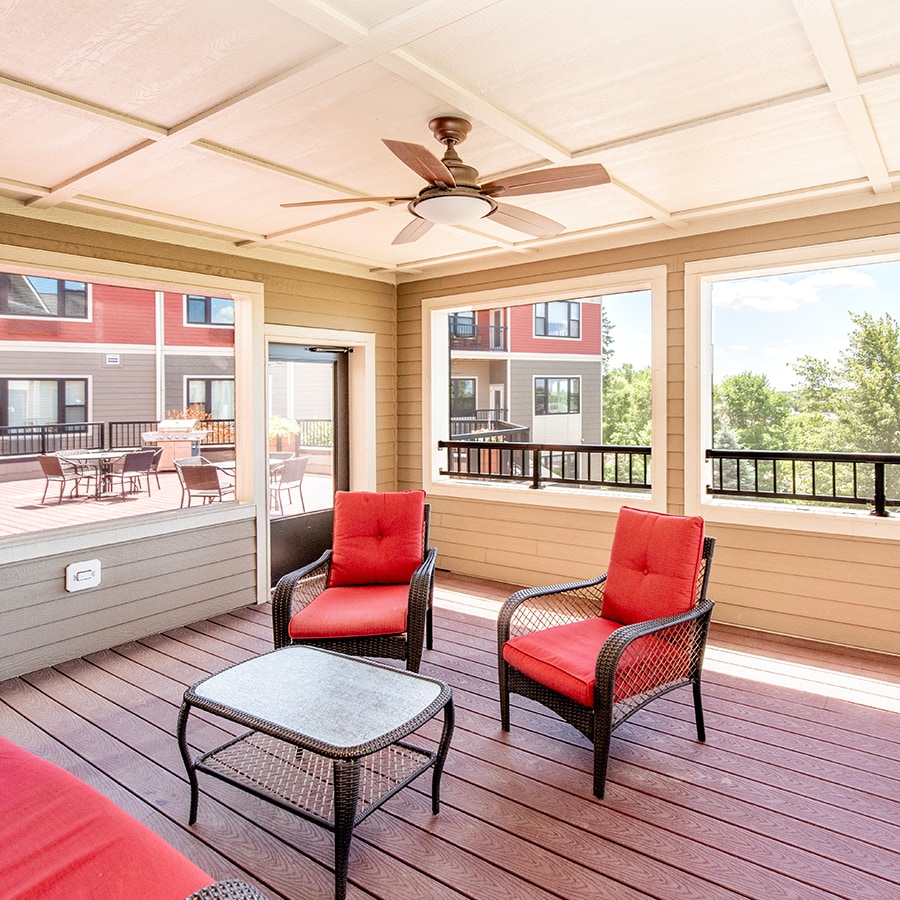
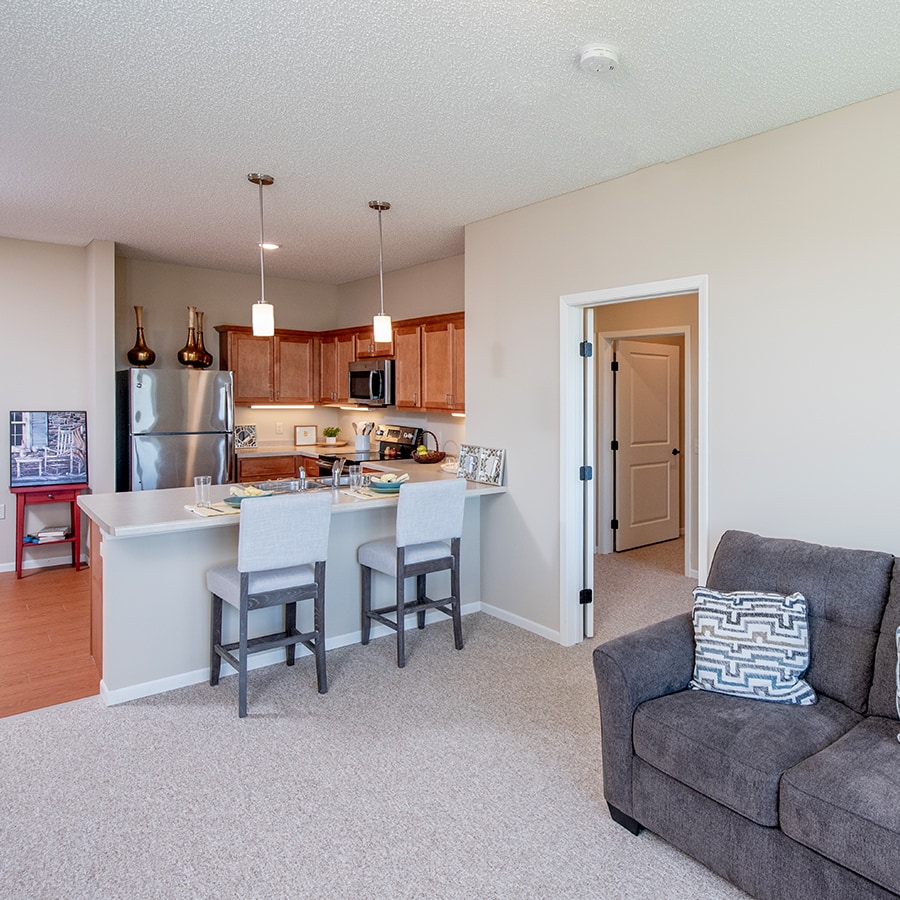
A senior living community can offer different levels of support in one place. The right option depends on your daily needs, preferences, and the kind of support you’d like.
Independent living suits active seniors who want to spend less time on chores like snow shoveling and roof repairs and more time enjoying their interests. Assisted living offers help with daily activities such as bathing, dressing, and managing medications, while allowing residents to maintain as much independence as possible.
Memory care provides a structured setting for people living with Alzheimer’s disease or other forms of dementia. Team members trained in dementia care can offer guidance and support tailored to residents’ needs. They learn how to guide each person with kindness and respect, helping your loved one feel safe and understood.
Signs It May Be Time to Move
Daily Tasks Feel Harder
Pay attention to how your days feel. Maybe dinner has turned into toast again, the laundry piles up, or the dripping faucet drains the energy you’d rather save for the grandkids.
If everyday responsibilities are taking time away from the people and activities you enjoy, consider what kind of support could help you get more out of your day.
Safety & Loneliness Concerns Grow
A fall with no one nearby, a missed dose, or a health worry late at night can shake your confidence. Once driving stops, coffee with friends may occur less often. Changes in health or daily routines can happen gradually or take you by surprise.
If your family has started checking in more often, it may be a good time to talk about what kind of support would help you feel comfortable and confident. The goal isn’t to rush a decision but to explore ways to support your safety, independence, and connections with others.
Home Care vs. Senior Care Costs
Hidden Costs of Life at Home
Staying home can look cheaper at first, but the bills can add up quickly.
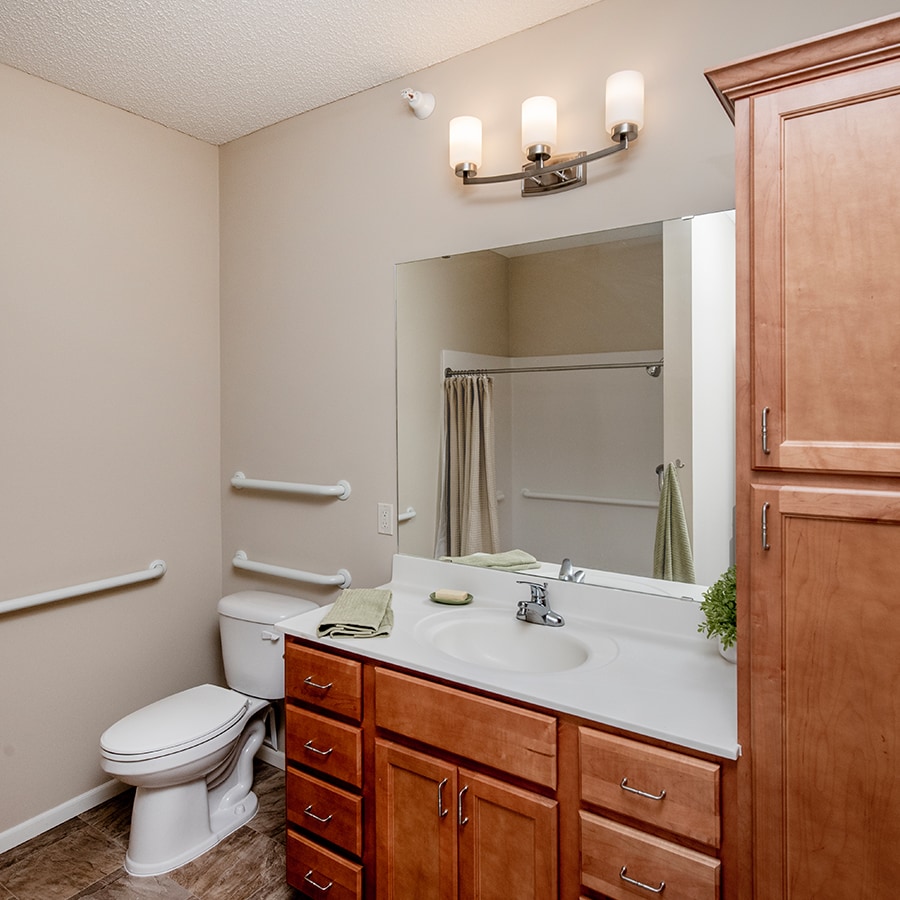
- Grab bars, ramps, and walk-in showers
- Property taxes and homeowners insurance
- Heat, electric, water, and internet
- Snow removal, lawn care, and repairs
- In-home care hours that increase as needs grow

What a Monthly Fee May Cover
A monthly fee often bundles many of those costs into one payment. Depending on the community and level of care, here’s what it may include.
- Your apartment and utilities
- Meals and housekeeping
- Activities and transportation
- Care coordination
A planned move also helps you avoid rushed choices after a hospital stay or a fall. When you plan ahead, you can compare options calmly. You can also pick the place that feels right.
Options If Your Budget Feels Tight
Ask each community about financial help and payment options. Many families fund a move with a home sale, savings, or benefits such as veterans programs or long-term care insurance.
Starting these conversations early can help you understand the costs and explore the options available to you.
A Home That Fits Your Next Chapter
Deciding whether to stay home or move is personal. What matters most is finding an option that supports your well-being, respects your preferences, and helps you stay connected to the people and activities you enjoy. Take your time, talk openly with your family, and visit communities to get a feel for daily life.
At Elk River Senior Living, we believe support should help you keep enjoying what makes life meaningful. Whether you’re exploring options for yourself or helping a loved one plan for the future, our team can help you learn more about the lifestyle options available and consider what may fit your needs.
Reach out to schedule a tour and see what our community has to offer.